
2027 Intake · Direct University Admission
Study Medicine in Russia — WHO & NMC Recognised, without the price tag of private colleges back home.
28 government medical & federal universities, English-medium MBBS programs, and tuition a fraction of private-quota fees in India. Here’s everywhere you can apply, and what it costs.
28
Partner Universities
6 Yrs
MBBS + Internship
NMC
& WHO Recognised
EN
English-Medium
Most Recommended
Top Russian Universities
The most requested destinations this intake — for their teaching hospitals, city infrastructure, and Indian-student community.
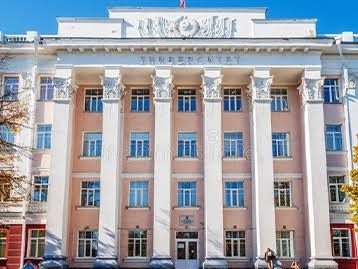
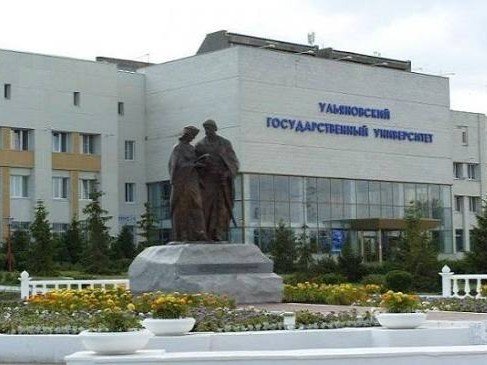
Ulyanovsk State Medical University
Duration
6 years
Medium
English
2026 Fee
Fee on request
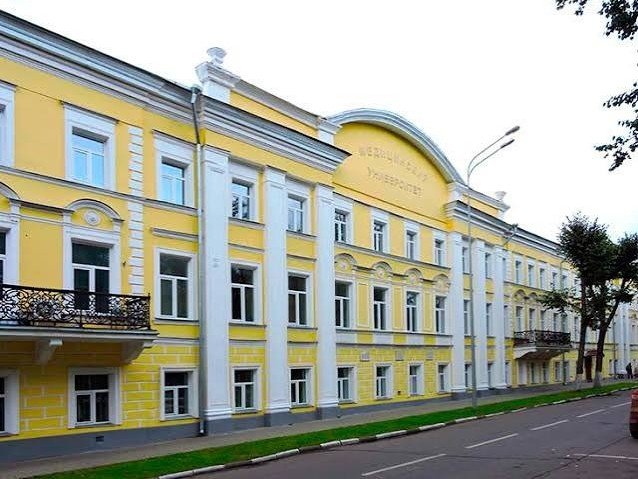
Yaroslavl State Medical University
Duration
6 years
Medium
English
2026 Fee
Fee on request
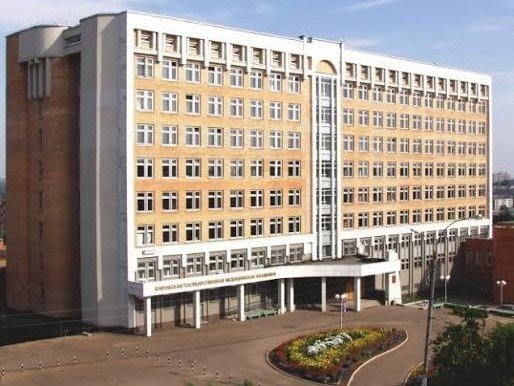
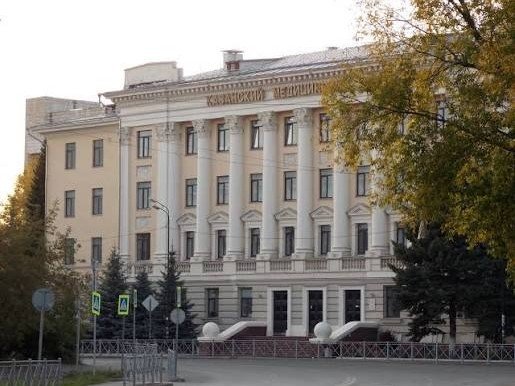
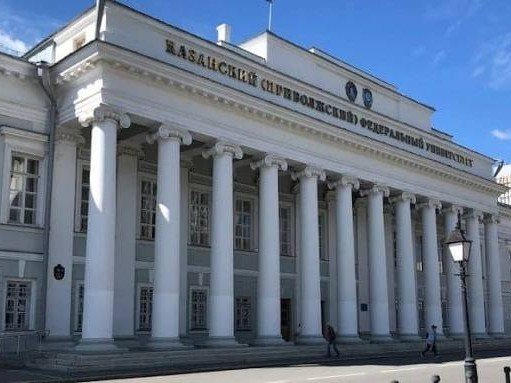
Also Open for 2026
More Universities
Same recognition, same admission process — pick by city, budget, or specialisation.
- Chita State Medical University
- Far Eastern Federal University
- Saint Petersburg State University of Veterinary Medicine
- Northern State Medical University
- Volgograd State Medical University
- Bashkir State Medical University
- MEPhI National Research Nuclear University — Obninsk
- Kuban State Medical University
- Kabardino-Balkarian State Medical University
- Omsk State Medical University
- St. Petersburg State Pediatric Medical University
- North-Caucasus Federal University
- North-Western State Medical University
- Privolzhsky Research Medical University
- Tver State Medical University
- Kemerovo State Medical University
- Syktyvkar State University
- MEPhI National Research Nuclear University — Moscow
- Sevastopol State University
- Tambov State Medical University
- Synergy University
* 2027 fee on request
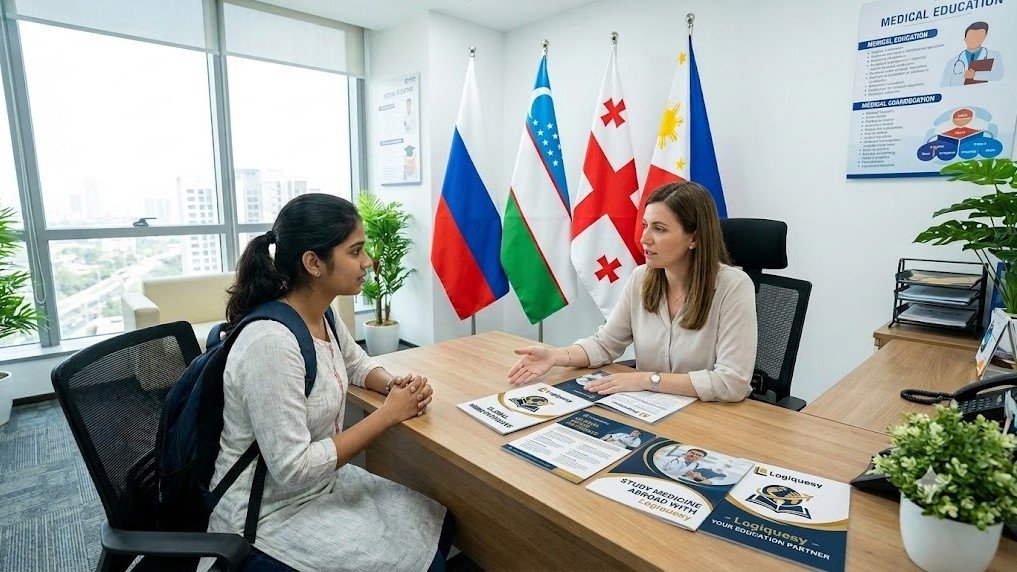
Know More
Why Choose Russia for MBBS
Globally recognised degree
Lower cost of the full degree
Real clinical exposure
No entrance exam, no donation
English-medium teaching
A large, established community
Every listed city already has a sizeable Indian and international student population — seniors, food, and support networks in place.
Who this path is for
Requirements are broadly the same across all 28 universities. Your counsellor will confirm the exact cut-off and documents for the one you pick.
Age:
17 years or older by 31 December of the admission year.
Academics:
Completed 12th grade (or equivalent) with Physics, Chemistry, Biology and English.
NEET:
A qualifying NEET score, for students applying from India.
Documents:
A valid passport, for the visa and university invitation letter.
* Exact percentage cut-offs and reserved-category relaxations vary by year — confirm current figures with your counsellor before applying.
Frequently Asked Questions
Why should I choose Russia for MBBS?
Russia is a popular choice because it offers affordable tuition, internationally recognised medical universities, English-medium programmes at many institutions, and a long history of educating international medical students.
Is an MBBS degree from Russia valid in India?
Yes, if you study at an approved Russian university and meet the requirements to practise in India, including clearing the FMGE/NExT examination. Always verify the university’s current recognition status before admission.
Is MBBS in Russia affordable compared with India?
For many students, Russia is more affordable than private medical colleges in India because tuition fees and living costs are generally lower, and most universities do not charge capitation or donation fees.
Can I study MBBS in Russia in English?
Yes, many Russian medical universities offer English-medium MBBS programmes for international students. However, learning basic Russian is useful for hospital interactions, clinical training, and daily life.
What is the duration of the MBBS course in Russia?
The MBBS programme in Russia generally lasts about six years, including academic study and practical/clinical training.
Is the admission process for Russian medical universities easy?
The admission process is usually straightforward: students submit academic documents, receive an offer letter, and complete visa formalities. Indian students generally need to qualify NEET to be eligible for practising in India after graduation.
Is Russia safe for Indian students?
Russia has many universities with established international student communities, including a large number of Indian students. Students should still choose reputed universities, follow local safety guidance, and use reliable accommodation and student-support services.
What career options are available after MBBS in Russia?
Graduates can return to India after meeting licensing requirements, pursue postgraduate studies, or explore opportunities in other countries subject to that country’s medical licensing rules. The degree’s value depends strongly on the university, clinical exposure, and licensing exams.


Talk to a counsellor about your best-fit university
Share your marks and NEET score — get a shortlist and the current fee structure for 2026.